Tue, Feb 04, 2003
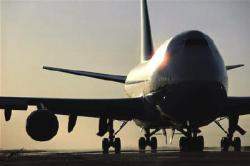 According to 2002 statistics compiled by Medaire, airlines had
their hands full in managing passenger medical-related issues.
Statistics show that during the year, flight crews of 40 airlines
called on-the-ground physicians more than 8,400 times for
assistance in dealing with inflight medical incidents and
emergencies -- the most common of which was people fainting.
According to 2002 statistics compiled by Medaire, airlines had
their hands full in managing passenger medical-related issues.
Statistics show that during the year, flight crews of 40 airlines
called on-the-ground physicians more than 8,400 times for
assistance in dealing with inflight medical incidents and
emergencies -- the most common of which was people fainting.
The statistics are based on the inflight medical incidents and
emergencies onboard airlines that utilize the services of MedAire
-- a company that provides airlines with 24/7 inflight access to
hospital-based emergency room physicians. More than 65 percent of
all inflight medical emergencies fell under one of just five
different types of events:
- Vasovagal (i.e. fainting)
21.5%
-
Gastrointestinal
15.4%
-
Respiratory
10.2%
-
Cardiac
9.6%
-
Neurological
8.7%
 MedAire's president and CEO, Joan Sullivan
Garrett, attributes the overall rise of inflight medical incidents
to the increasing average age of travelers, stress and because more
sick passengers are attempting to fly. "Often times travelers will
attempt trips with complete disregard for any medical conditions
they might already have. The declining flexibility in being able to
make changes to travel plans due to change fees and/or the
prospects of forfeiting the cost of a ticket may also be
influencing people's willingness to risk flying when they really
shouldn't."
MedAire's president and CEO, Joan Sullivan
Garrett, attributes the overall rise of inflight medical incidents
to the increasing average age of travelers, stress and because more
sick passengers are attempting to fly. "Often times travelers will
attempt trips with complete disregard for any medical conditions
they might already have. The declining flexibility in being able to
make changes to travel plans due to change fees and/or the
prospects of forfeiting the cost of a ticket may also be
influencing people's willingness to risk flying when they really
shouldn't."
 Dr.
David Streitwieser, medical director at MedAire's MedLink Global
Response Center -- a 24/7 communications center that managed these
remote medical emergencies, says that it's no surprise that
vasovagal episodes remain the top medical category. "We are helping
cabin crew manage these situations everyday," says Streitwieser. "A
common scenario occurs when a passenger has been sitting
comfortably for several hours then gets up suddenly to use the
lavatory. The passenger becomes very pale and dizzy and then
collapses to the floor in an apparent faint. When managing the
situation, it's important to stay calm, remember your ABCs and
check the passenger to make sure he or she is still breathing and
has a pulse."
Dr.
David Streitwieser, medical director at MedAire's MedLink Global
Response Center -- a 24/7 communications center that managed these
remote medical emergencies, says that it's no surprise that
vasovagal episodes remain the top medical category. "We are helping
cabin crew manage these situations everyday," says Streitwieser. "A
common scenario occurs when a passenger has been sitting
comfortably for several hours then gets up suddenly to use the
lavatory. The passenger becomes very pale and dizzy and then
collapses to the floor in an apparent faint. When managing the
situation, it's important to stay calm, remember your ABCs and
check the passenger to make sure he or she is still breathing and
has a pulse."
Vasovagal episodes often happen suddenly and appear to occur
more frequently at high altitude. A variety of stimuli can cause
vasovagal reactions including nausea, pain, fear and anxiety,
urinary urgency, abdominal discomfort and motion sickness. Standing
up will accelerate the drop in blood pressure that occurs during
these reactions and exacerbates the dizziness and weakness.
More News
Also: B-29 Superfortress Reunion, FAA Wants Controllers, Spirit Airlines Pulls Back, Gogo Galileo Van's Aircraft posted a short video recapping the goings-on around their reorganiz>[...]
Light Gun A handheld directional light signaling device which emits a brilliant narrow beam of white, green, or red light as selected by the tower controller. The color and type of>[...]
"The journey to this achievement started nearly a decade ago when a freshly commissioned Gentry, driven by a fascination with new technologies and a desire to contribute significan>[...]
"Our driven and innovative team of military and civilian Airmen delivers combat power daily, ensuring our nation is ready today and tomorrow." Source: General Duke Richardson, AFMC>[...]
Aircraft Conflict Predicted conflict, within EDST of two aircraft, or between aircraft and airspace. A Red alert is used for conflicts when the predicted minimum separation is 5 na>[...]



 Airborne 04.16.24: RV Update, Affordable Flying Expo, Diamond Lil
 See All